A Scarce Resource, Varied Practices
Switzerland has 9.5 blood donors per 1,000 residents. Unfortunately, this number is not sufficient to meet all needs, which can lead to periodic shortages. Hospitals are major consumers of red blood cell concentrates due to the high prevalence of anemia among hospitalized patients. In recent years, several clinical trials have provided strong evidence in favor of a restrictive transfusion policy, defined by a transfusion threshold between 70 and 80 g/L of hemoglobin (Hb). Beyond economic considerations related to the high costs of blood products, these studies have sometimes revealed adverse effects associated with a transfusion policy deemed too liberal (transfusion threshold above 90 to 100 g/L Hb). Blood transfusion is indeed a costly procedure that carries infectious, allergic, and hemodynamic risks. It is therefore necessary to optimize the use of this scarce and costly resource.
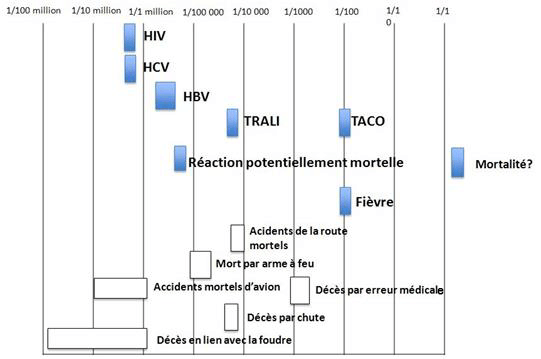
Numerous studies have shown that transfusion practices vary widely from one country to another, and sometimes even within the same hospital among different physicians. The difficulty of defining a universally applicable transfusion threshold, differences among patient populations, and economic pressures are all factors that may explain this variability. The challenge of implementing these thresholds in hospitals lies in the difficulty of standardizing medical practices while still allowing for a certain degree of individualization based on the clinical context.
The Quality Project at La Tour Hospital
At Hôpital de La Tour, 292 patients received one or more blood transfusions in 2017, for a total of 874 red blood cell concentrates. The objective of the quality initiative we intend to carry out with the hemovigilance team aligns with the “Smarter Medicine – Choosing Wisely Switzerland” movement supported by La Tour Hospital. This campaign has included overly liberal transfusion policies in its “top five list” of medical procedures deemed inappropriate and potentially harmful. The campaign also emphasizes the importance of not administering two red blood cell units in a row without checking hemoglobin levels, except in cases of hemorrhage.
Therefore, we would like to share these new recommendations with our various prescribers by providing them with individual feedback to help them adjust their practices. Where applicable, the Quality Department at Hôpital de La Tour will pay particular attention to patients who have received more than two transfusions without a hemoglobin check. A review will then be conducted after examining their medical records to determine whether the transfusions were appropriate.
“Less is more”: Balancing Quality and Responsibility
International guidelines generally favor a restrictive transfusion policy in most clinical situations, supported by a high level of evidence. Adherence to these guidelines not only assists physicians in their prescribing decisions but also ensures that patients receive high-quality care without being unnecessarily exposed to potential risks. This ensures the rational, economical, and ethical use of blood—a precious resource—and fully aligns with the “less is more” principle, where cost reduction is not the primary goal but can become a positive side effect when it aligns with the patient’s best interests.
Prof. Dr. med. Omar Kherad, MPH, Chief of Internal Medicine, Quality Manager